
When it comes to sight fishing, your brain goes straight to the clear water of the Caribbean, watching a permit or a tarpon move across the flats.
We’ve all seen the videos, and when we’re planning what we want to do as anglers, that’s the image that comes to mind: a solid cast, good fly placement, and a fish turning and grabbing it on cue.
But because most of that content is shot in the Caribbean, a lot of us write sight fishing off as something we’ll never be able to do.
That’s not necessarily true.
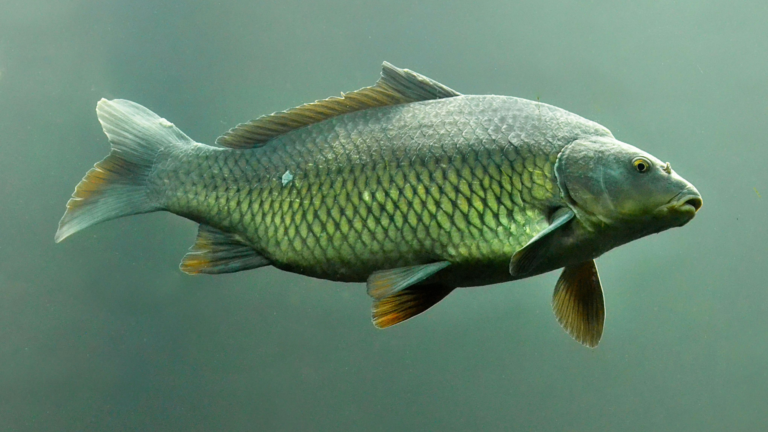
You can get an incredibly similar experience, with all the same satisfaction, right here in Minnesota by targeting carp on the fly.
Sight fishing for carp is as technical and demanding as fly fishing gets. You’re picking out one feeding fish, reading how it’s behaving, and putting a precise cast in front of it before it ever knows you’re there.
There’s no blind casting and hoping.
You see the fish, you work for the eat, and when it happens, you watch the whole thing unfold.
That’s why anglers who’ve already put in the time on bass, walleye, or trout keep finding their way to carp on the flats. It’s a different kind of game, and on the rivers and backwaters we fish, the opportunity is right there for anyone willing to slow down.
Now you’re in position, and it’s time to start looking for carp.
So what signs should you be watching for?
Look for mud plumes, backs rolling at the surface, or tails tipping up in shallow water. In rivers, carp tend to hold along soft seams and sand flats behind current breaks. Polarized sunglasses with amber or copper lenses help cut glare on tannic water, and a few extra minutes spent scanning before you wade in can save you from blowing out an entire flat.
Once you can spot them, the next step is approaching without giving yourself away.
Carp spook fast, and you have to keep that in mind. Making a lot of noise while wading, casting a shadow, or slapping your fly line down will often send them running. Move slowly, stay low, keep the sun at your back when possible, and give feeding fish plenty of room before setting up your cast. Or better yet, approach from a boat and quietly glide into position before beginning your search. When you get close enough, the presentation becomes just as important as the approach.
Lead a feeding fish by a foot or two and allow the fly to settle naturally rather than stripping it directly through the fish’s line of sight. Carp often feed head-down on the bottom, so a fly that sits naturally tends to outperform one that’s constantly moving.
Small, natural patterns such as crayfish, leeches, nymphs, and other forage imitations usually outperform flashy attractor flies. A turn, a tail tip, or flared gills after the cast is often your signal to set the hook.
When presentation and fly selection come together, the results can be incredible.
So when should you get out there?
Calm days with light wind and stable conditions often make fish easier to spot and can lead to some excellent sight-fishing opportunities. Overcast skies can help reduce harsh glare, while warmer stretches of late spring and summer often push carp into shallow water where they feed actively. Stable water levels also help keep fish predictable and concentrated in their usual feeding zones rather than scattering them across the system.
Sight fishing for carp rewards anglers who are willing to slow down and truly read the water. Every fish becomes an individual challenge. Every cast matters. Every successful eat feels earned. If you decide to give it a real shot, it might completely change how you think about a fish most people walk right past. That’s a huge part of what makes carp fly fishing such an awesome experience.
If you’d rather learn this on the water than figure it out through trial and error, that’s exactly the kind of day John specializes in. He spends countless hours on these rivers and flats and knows where the fish are holding, what they’re eating, and how to get you into position without spooking them. Whether carp are completely new to you or you’ve been chasing them for years and want to sharpen your sight-fishing skills, a guided trip can help shorten the learning curve dramatically.
Ready to experience one of the most exciting sight-fishing opportunities in freshwater? Contact The Ridge Fly Fishing today and book a guided carp trip with John. He’ll help you spot more fish, make better presentations, and experience firsthand why carp on the fly has become one of the fastest-growing fly fishing pursuits in the country.